.jpg)
In The Pleasures of God, John Piper draws on a quote from a seventeenth-century writer, Henry Scougal. “The worth and excellency of a soul is to be measured by the object of its love.” What we truly love determines the worth of our soul. It’s a bold (but true) claim. Scougal’s words help us identify what we truly believe in, since love presupposes belief. No one loves what he doesn’t believe in. And what we truly love is what we chase after—not just with our professed theology, but with our passion, hope, joy, marvel, and fixation.
“What,” I wondered, “is an implication of this for the broader evangelical church, especially given the exodus of long-time Christians from biblically orthodox faith?” And here is where I landed: Beware what you believe in. There is a powerful and life-altering difference between believing in God, believing in other people, and believing in the gifts God gives. Many times we confuse these options and end up disenchanted, disgusted, or deflated.
There is a powerful and life-altering difference between believing in God, believing in other people, and believing in the gifts God gives.
Believing in God
From the perspective of biblically orthodox Christianity, believing in God means at least two things, and hypocrites embrace only the first: (1) submitting to what God has said about himself (i.e., biblical doctrine); and (2) finding our joy, meaning, and purpose in God alone. Belief in the true God is not just a matter of agreement with theological claims; it is a heart-venture. The core of who we are seeks God like a magnet drawn to its opposing pole. We don’t just know about God (doctrine, theology); we yearn for God. We don’t just dabble in doctrine; we “delight” in the Lord (Psalm 37:4). We truly and sincerely want him more than anything else.
What does this look like? J. I. Packer would describe true belief in God as a three-legged stool, which stands on doctrine (biblically rooted belief), experience (a heart that truly seeks God and delights in him), and practice (putting God’s word into action).
Being a Christian is a blend of doctrine, experience, and practice. Head, heart, and legs are all involved. Doctrine and experience without practice would turn me into a knowledgeable spiritual paralytic; experience and practice without doctrine would leave me a restless spiritual sleepwalker. If Christ is to be formed in me, doctrine, experience, and practice must all be there together. (Growing in Christ, 143)
Put differently, a true God-believer:
- (1) knows the basics of what God has said about himself and accepts God’s word as true and trustworthy (doctrine);
- (2) moves beyond knowledge of God to love and delight in him above all earthly goods (experience); and
- (3) implements what God teaches in routine activities of kindness, self-sacrifice, and generosity (practice).
Do you know anyone like that? Of course, no one is perfect; mistakes abound for all true believers. But Packer is describing the overarching, recognizable pattern in a God-believer. And his criteria provide plenty of conviction for an honest heart.
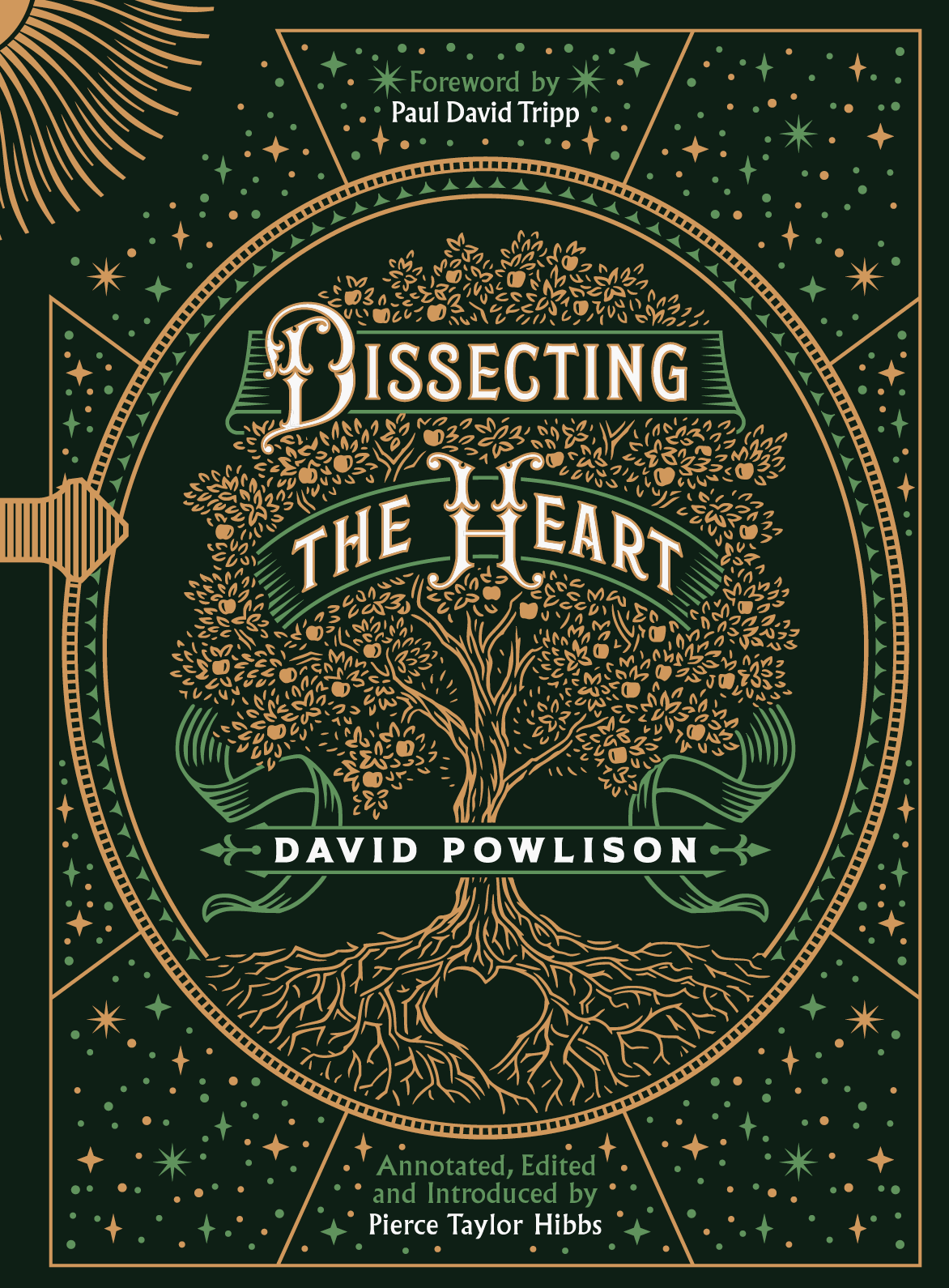
Think about it. We all know people (including ourselves) who “go big” on doctrine and practice but lack experience. How can you tell? We identify people with this problem by discerning the motive for what they are doing. Are they believing and acting out of love and delight in God, or is some other motive propelling them? As David Powlison said, “All of us are motivated people. We’re bombarded with things that attempt to motivate us” (Dissecting the Heart, 5). If you discern the motive, you discern the heart, and that reveal’s a person’s experience with God.
If you discern the motive, you discern the heart, and that reveal’s a person’s experience with God.
Likewise, we all know people who go all-in on experience and practice but dismiss biblical doctrine as outdated, irrelevant, or offensive. We can identify people with this problem by discerning how separate their beliefs and values are from those of the broader secular culture. If they are virtually identical in their beliefs and values with non-Christians, that’s a sign that biblical doctrine is missing, for biblical doctrine will almost always go against the current of popular opinion. The gospel is an “offense,” after all (1 Cor. 1:23; 1 Pet. 2:8; Rom. 9:33). If your faith is something that everyone else finds amenable, that’s a red flag. I write this as someone who hates conflict and often avoids it like the plague. But it’s nevertheless true.
For a God-believer to accurately represent Jesus Christ, there must be, as Packer said, head, heart, and legs. That’s what a true God-believer looks like, and that’s the first option. I ask again, How many of those do you know?
Believing in Other People
Believing in other people is an attractive second option. It is, in fact, what draws many people to the church in the first place. Unfortunately, it also drives many away. Belief in other people is essentially a belief in community. For many, it is the hope and enjoyment we have in belonging to a fellowship of like-minded others.
This is not necessarily a bad thing. After all, the Nicene Creed says, “I believe in one, holy, catholic and apostolic church.” The church is the community of God’s people. But the sort of belief that the Nicene Creed speaks of is not the sort that endows other people with the power to direct our souls or to give us meaning and purpose. We “believe” in the church as a God-given and God-led institution, which is nevertheless still broken and fighting against the effects of sin—with all its self-centeredness, pride, hypocrisy, and deviancy. We believe in the church only as an imperfect and progressively growing gift that God has given to support our faith in him. To that extent, the church is a necessary part of our spiritual formation and service. Christ is the true head of the church, and of what use is a headless Christian? We love and serve God through the church as the body of Christ.
But we don’t believe in the church for the salvation of our souls. The church is the community of those who believe in God, but it’s God we long for and hope in above all else (remember the experience component in Packer’s model). This can easily slip off our radar. But we’re reminded of it when we see horrific behavior in the church. It’s heartbreaking that we have no shortage of examples. A leadership scandal or character flaw runs rampant, and we say, “Yuck! I don’t believe in that!” Of course we don’t. That’s because we don’t go to church primarily for the people; we go there primarily for God. Though it may sound harsh to contemporary ears, we don’t believe in them; we believe in him. People may be the body, but they are not the head. They are not meant to be objects of our faith.
If God is the reason for your going to church, you need never leave. People will come and go; he will stay.
How do we know if this is a problem for us? Here’s the important test for seeing if we believe in people more than we believe in God: Do the actions of people in the church have the power to destroy your faith? Do the ugly things they do send you away from God? If so, that betrays a belief in people rather than in God himself. People do not save souls; God does. People do not provide you with purpose and meaning; God does. People will always fail and disappoint, but God never will. People will bore us at times; God doesn’t. He’s what John Piper calls “inexhaustibly interesting” (The Pleasures of God, xi). If God is the reason for your going to church, you need never leave. People will come and go; he will stay.
We are part of the church for the glory of God, not for the filling of our relational “holes.” We go to church because God is there, and he’s calling his people together. In that sense, people do play an important role in our faith and spiritual growth. But we don’t go to church because people are there, and we want community. Do you see the difference?
If we go to church for the latter reason, then when people disappoint us, we’ll leave. When sin strikes, our faith will falter. And then we’ll go elsewhere for community. That is part of what lies behind the mass exodus of people from the broader evangelical church. Former Christians sometimes speak of being “disenchanted” with the church. They leave because the sins of others have scarred them too deeply. But, spiritually speaking, could it be that what’s really happened is that they’ve realized the shallowness of their belief not in God but in other people?
If our faith is in other people, then when those people hurt or disappoint us, we will probably leave faith behind. What truly matters to us—community—is something we’ll look for elsewhere.
Believing in the Gifts God Gives
Believing in the gifts God gives is a third option. This is commonly labeled the “health-and-wealth” gospel, but it has many subtler forms. Here’s a quote that recently convicted me.
Saving faith is the cry of a new creature in Christ. And the newness of the new creature is that it has a new taste. What was once distasteful or bland is now craved. Christ himself has become a treasure chest of holy joy. The tree of faith grows only in the heart that craves the supreme gift that Christ died to give: not health, not wealth, not prestige—but God! Test yourself here. There are many professing Christians who delight in God’s gifts but not in God. Would you want to go to heaven if God were not there but only his gifts? (Desiring God, 63).
Yes, test yourself. Are you in love with the good things God has given or with God himself?
Some people might ask a follow-up: “How can I delight in God apart from his gifts? His gifts are all that I know.” That’s a great question. Indeed, our knowledge of God comes only through his gifts, especially the gift of his self-revelation in Scripture, but also through the more concrete gifts that reflect his goodness (e.g., loving relationships, delicious food, passions and purposes we pursue in daily life). But that does not mean God himself has no identity and meaning to us. We delight in God by pursuing the Giver behind the gifts. Who is the Giver? God is the invisible, ever-present Spirit who wants to talk with us, and he wants us to talk with him. He wants nothing less than a whole-souled, living relationship with us that demands back-and-forth, engagement, and conversation. God speaks through his word and through the natural world that reveals him (Psalm 19:1-4; Rom. 1:20). He tells us about himself and what he’s up to, and even in our own hearts. He calls us to speak back in prayer and praise, to lay our hearts bare before him and ask for the help he is so ready to give. My point is, if we don’t speak with God, how can we delight in him? How can we be passionate about someone with whom we do not communicate?
That, in truth, is why Christians should be passionate about daily Bible reading, prayer, and regular worship in the church. The broader culture mocks the idea of Bible reading, prayer, and church attendance. It considers them a waste of time. But for the true God-believer, they are the means of communicating with the Giver behind the gifts. If we don’t routinely hear from God and speak with God, we cannot delight in him. Why? Because we don’t really know him.
If we don’t speak with God, how can we delight in him? How can we be passionate about someone with whom we do not communicate?
The sad part of loving God’s gifts more than God himself is that we are the ones who lose out. God is every human soul’s highest satisfaction. Every one of his gifts pales in comparison to him. “In the end,” Piper wrote, “the heart longs not for any of God’s good gifts but for God himself. To see him and know him and be in his presence is the soul’s final feast. Beyond this, there is no quest. Words fail. We call it pleasure, joy, delight. But these are weak pointers to the unspeakable experience” (Desiring God, 80). Even comparing God to his gifts is a venture in futility. God’s beauty and greatness exceed earthly comparisons. If we believe in God’s gifts rather than in God himself, we are bound to be woefully disappointed and heartbroken.
Beware What You Believe In
If what we truly love measures the worth of our soul, we must be careful of what (or whom) we believe in. Is it God, his people, or his gifts? This goes well beyond stated doctrine or an affirmation of Christian basics. Plenty of people claim to be Christians but have already given their hearts to God’s people or to his gifts. True God-believers find their meaning, hope, joy, purpose, and contentment in him. When we believe in anything else, bad things will follow. When we believe in anything else, our souls diminish.
PRAYER
God of persons, peace, and passion,
We are chasers, seekers, searchers.
You have set yourself in our center,
A magnet lifting us skyward.
You are the one we yearn for.
But we have a thousand eyes
Bent on dimmer lights.
We chase and fight to find,
But we’ve lost our holy sight.
Give us the eyes to see you.
And give us open-handed hearts
So that we might glimpse your glory
And leave all lesser lights behind.

.jpg)

.jpg)